
Understanding Cortisol: Your Body’s Stress Hormone
Cortisol has earned its reputation as the “stress hormone,” but it’s far more complex than that label suggests. Produced by your adrenal glands, cortisol orchestrates numerous critical functions throughout your body. When working properly, it regulates your metabolism, controls blood sugar levels, modulates inflammation, and prepares your body to handle challenging situations.
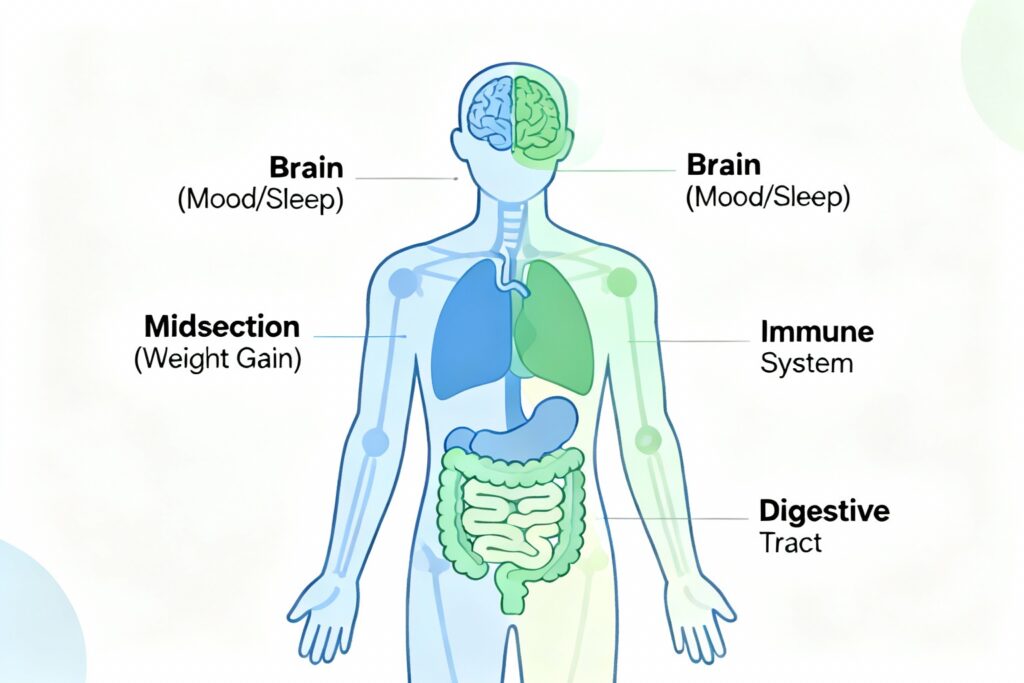
The problem arises when stress becomes chronic. In our always-connected, fast-paced world, many people experience persistently elevated cortisol levels, which can trigger a cascade of health issues including stubborn weight gain (particularly around the midsection), disrupted sleep patterns, weakened immunity, mood disturbances, and digestive complications.
The Cortisol-Health Connection
When cortisol remains elevated for extended periods, your body essentially stays in “fight or flight” mode. This chronic activation affects:
- Metabolism: Increases fat storage, especially visceral fat around organs
- Blood sugar: Creates insulin resistance and glucose imbalances
- Immune function: Suppresses immune response, making you more susceptible to illness
- Sleep architecture: Disrupts your natural circadian rhythm and melatonin production
- Digestive health: Alters gut bacteria composition and increases inflammation
- Mental health: Contributes to anxiety, depression, and cognitive difficulties
The Science Behind Diet and Cortisol Regulation
Your dietary choices directly influence cortisol production and regulation. Emerging research reveals that specific nutrients and eating patterns can significantly impact your body’s stress response. The key lies in understanding which foods support adrenal health and which ones trigger unnecessary cortisol spikes.

Key Nutrients That Lower Cortisol
Magnesium: This mineral plays a crucial role in regulating the hypothalamic-pituitary-adrenal (HPA) axis, which controls cortisol release. Studies show magnesium deficiency correlates with elevated stress hormone levels.
Omega-3 Fatty Acids: EPA and DHA found in fatty fish reduce inflammation and have been shown to blunt cortisol spikes in response to stress.
B Vitamins: Particularly B5, B6, and B12 support adrenal function and neurotransmitter production, helping your body manage stress more effectively.
Vitamin C: Your adrenal glands contain some of the highest concentrations of vitamin C in your body, and this vitamin is rapidly depleted during stress.
Antioxidants: Polyphenols and flavonoids combat oxidative stress caused by elevated cortisol, protecting cells from damage.
Foods That Naturally Lower Cortisol
Power Foods for Stress Reduction
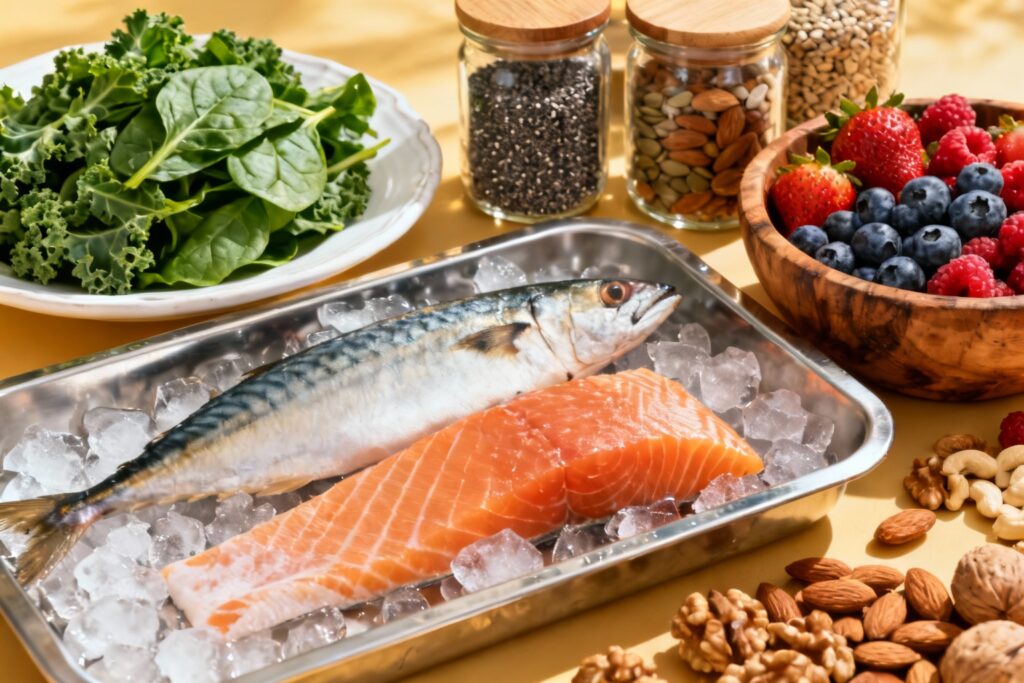
Fatty Fish: Salmon, sardines, mackerel, and trout deliver high doses of omega-3 fatty acids. Research demonstrates that regular consumption can reduce cortisol levels by up to 20% and decrease inflammatory markers.
Leafy Greens: Spinach, kale, Swiss chard, and arugula provide magnesium, folate, and B vitamins. These nutrients support neurotransmitter production and help regulate the stress response.
Berries: Blueberries, strawberries, blackberries, and raspberries contain powerful antioxidants called anthocyanins that protect against stress-induced cellular damage and may help normalize cortisol patterns.
Nuts and Seeds: Almonds, walnuts, pumpkin seeds, and chia seeds offer a trifecta of benefits—magnesium, healthy fats, and fiber. Walnuts specifically contain alpha-linolenic acid (ALA), a plant-based omega-3.
Avocado: This creamy fruit provides monounsaturated fats, potassium, and B vitamins. The healthy fats support hormone production and help stabilize blood sugar.
Dark Chocolate: Choose varieties with 70% cacao or higher. The flavonoids in dark chocolate can reduce cortisol response and improve mood through increased serotonin production.
Fermented Foods: Yogurt, kefir, sauerkraut, kimchi, and kombucha support gut health. The gut-brain axis plays a significant role in stress regulation, and a healthy microbiome can influence cortisol levels.
Whole Grains: Quinoa, brown rice, oats, and whole wheat provide steady energy release, preventing the blood sugar spikes and crashes that trigger cortisol surges.
Foods to Limit or Eliminate
Cortisol-Triggering Foods
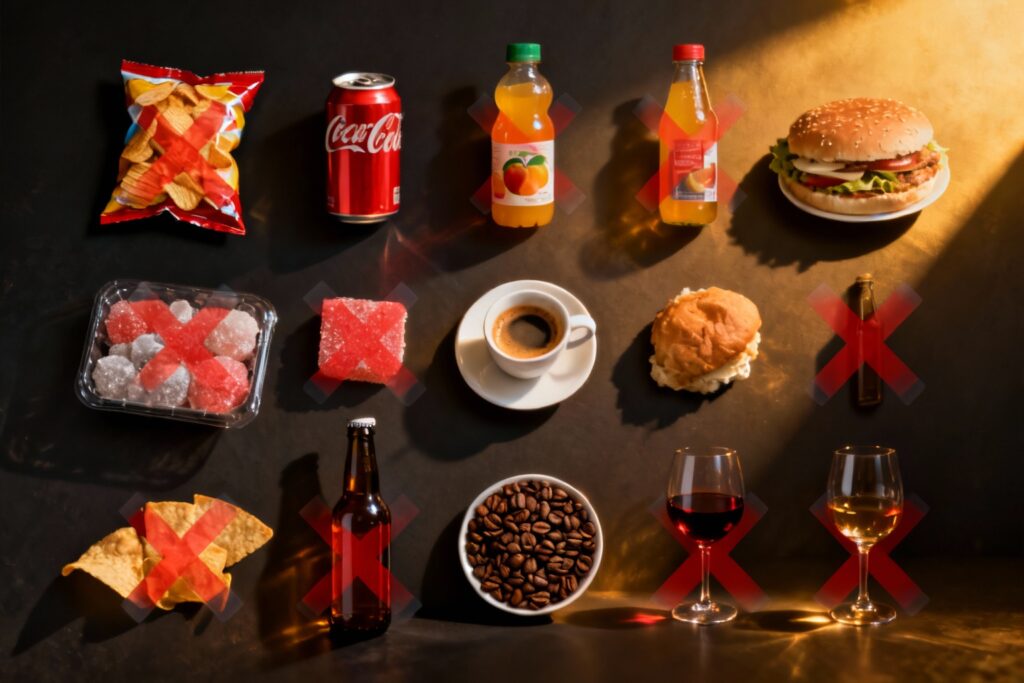
Refined Sugars and Carbohydrates: White bread, pastries, candy, and sugary beverages cause rapid blood sugar spikes followed by crashes, prompting cortisol release to stabilize glucose levels.
Excessive Caffeine: While moderate coffee intake may be fine for some, excessive caffeine (more than 400mg daily) directly stimulates cortisol production and can create dependency cycles.
Alcohol: Disrupts sleep quality and REM cycles, interfering with the natural cortisol rhythm. It also impairs the liver’s ability to process stress hormones effectively.
Processed Foods: High in trans fats, artificial additives, and sodium, these foods increase inflammation and place additional stress on your body’s detoxification systems.
Excessive Red Meat: While lean meats have their place, high consumption of red meat and saturated fats can increase inflammatory markers and impact cortisol metabolism.
Your Complete 2-Week Cortisol Detox Meal Plan
Week 1: Foundation Phase
Day 1
Breakfast: Greek Yogurt Berry Bowl
- 1 cup plain Greek yogurt
- 1/2 cup mixed berries (blueberries, strawberries, raspberries)
- 2 tbsp sliced almonds
- 1 tbsp ground flaxseeds
- Drizzle of raw honey
Mid-Morning Snack: Green Smoothie
- Handful of spinach
- 1/2 banana
- 1/2 cup almond milk
- 1 tbsp almond butter
- Ice
Lunch: Mediterranean Salmon Bowl
- 4 oz grilled wild salmon
- 1 cup cooked quinoa
- Mixed greens (arugula, spinach)
- Cherry tomatoes
- Cucumber slices
- 2 tbsp olive oil and lemon dressing
Afternoon Snack: Dark chocolate (1 oz, 70%+ cacao) with green tea
Dinner: Herb-Roasted Chicken with Vegetables
- 4 oz grilled chicken breast with rosemary
- Roasted sweet potato wedges
- Sautéed garlic kale
- 1/2 cup brown rice
Day 2
Breakfast: Overnight Oats Power Bowl
- 1/2 cup rolled oats soaked overnight
- 1 tbsp chia seeds
- 1 tbsp almond butter
- Sliced strawberries
- Cinnamon
Mid-Morning Snack: Mixed nuts (almonds, walnuts, cashews) – small handful
Lunch: Tuna Spinach Salad
- 4 oz tuna (wild-caught)
- Large bed of mixed leafy greens
- Shredded carrots
- Avocado slices
- Olive oil vinaigrette
Afternoon Snack: Sliced bell peppers with hummus (1/4 cup)
Dinner: Turkey and Vegetable Stir-Fry
- 4 oz lean turkey breast strips
- Broccoli, carrots, snap peas
- Garlic and ginger
- Served over wild rice
Day 3
Breakfast: Omega-3 Omelet
- 2-3 eggs with smoked salmon
- Spinach and mushrooms
- Sliced avocado on the side
- Whole grain toast
Mid-Morning Snack: Apple slices with almond butter
Lunch: Mediterranean Grain Bowl
- 1 cup cooked lentils
- 1/2 cup quinoa
- Cucumber, tomatoes, red onion
- Hummus
- Tahini dressing
Afternoon Snack: Dark chocolate almonds (10-12 pieces)
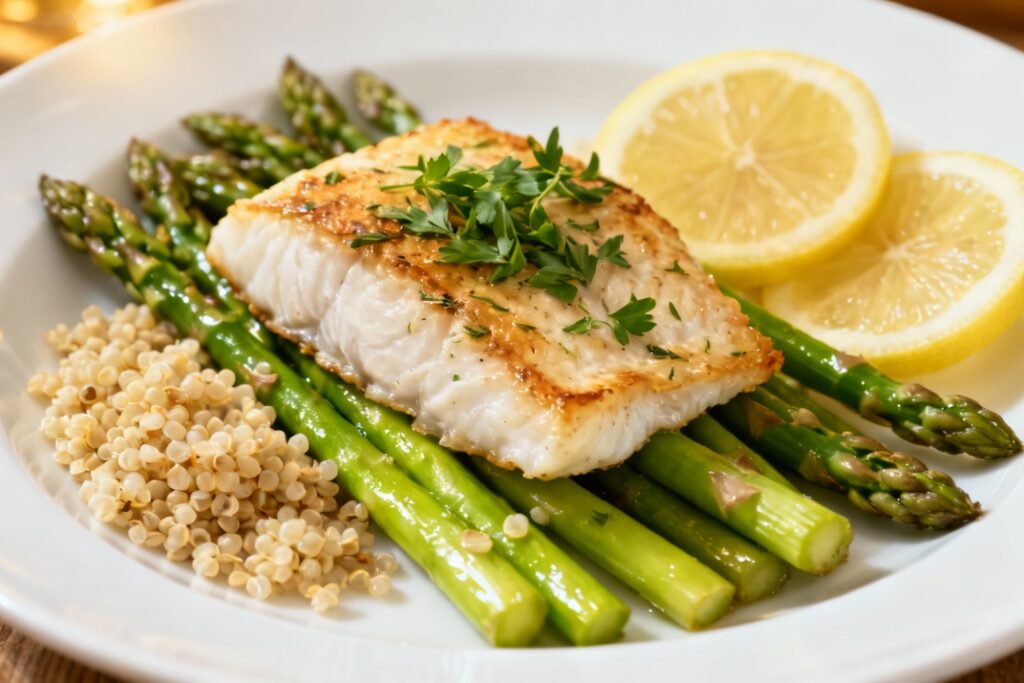
Dinner: Baked Cod with Asparagus
- 4 oz baked cod with lemon and herbs
- Steamed asparagus
- Lemon quinoa pilaf
Day 4
Breakfast: Whole Grain Avocado Toast
- 2 slices whole grain bread
- Mashed avocado
- Sliced tomatoes
- Everything bagel seasoning
- Poached egg
Mid-Morning Snack: Berries with a handful of walnuts
Lunch: Chickpea Curry Bowl
- Chickpea and spinach curry (coconut milk base)
- Brown rice
- Side of steamed green beans
Afternoon Snack: Carrot and celery sticks with tahini
Dinner: Grilled Sardines Plate
- 3-4 oz grilled sardines
- Sautéed spinach with garlic
- Quinoa with fresh herbs and lemon
Day 5
Breakfast: Blueberry Chia Pudding
- Chia seeds soaked in almond milk overnight
- Fresh blueberries
- Sliced almonds
- Unsweetened coconut flakes
Mid-Morning Snack: Kombucha (8 oz) with rice cakes and avocado
Lunch: Turkey Spinach Wrap
- Whole grain tortilla
- Sliced turkey breast
- Spinach, cucumber, shredded carrots
- Hummus spread
- Side of sauerkraut
Afternoon Snack: Edamame (1 cup, lightly salted)
Dinner: Salmon with Root Vegetables
- 4 oz baked wild salmon
- Roasted Brussels sprouts and carrots
- Mashed cauliflower with olive oil
Day 6
Breakfast: Protein Smoothie Bowl
- Blend: Banana, spinach, protein powder, almond milk, chia seeds
- Top with: Granola, sliced kiwi, pumpkin seeds
Mid-Morning Snack: Plain kefir (8 oz) with berries
Lunch: Quinoa Black Bean Salad
- Quinoa and black beans
- Corn, diced tomatoes, red onion
- Lime-cilantro dressing
- Avocado
Afternoon Snack: Dark chocolate (1 oz) with strawberries
Dinner: Herb-Crusted Tilapia
- 4 oz baked tilapia with herb coating
- Steamed broccoli
- Wild rice with herbs
Day 7
Breakfast: Buckwheat Pancakes
- Buckwheat pancakes (2-3)
- Sliced bananas
- Almond butter drizzle
- Side of berries
Mid-Morning Snack: Green tea with a handful of mixed nuts
Lunch: Asian-Inspired Salmon Salad
- Mixed greens
- 4 oz grilled salmon
- Mandarin oranges, edamame
- Sesame ginger dressing
Afternoon Snack: Cottage cheese (1/2 cup) with pineapple chunks
Dinner: Vegetable and Lentil Stir-Fry
- Brown lentils
- Bell peppers, mushrooms, bok choy
- Garlic and ginger
- Served over brown rice
Week 2: Optimization Phase
Day 8
Breakfast: Veggie-Packed Frittata
- Baked eggs with spinach, tomatoes, mushrooms
- Whole grain toast
- Sliced avocado
Mid-Morning Snack: Smoothie with spinach, mango, chia seeds
Lunch: Grilled Chicken Buddha Bowl
- 4 oz grilled chicken
- Quinoa
- Roasted sweet potato
- Steamed kale
- Tahini dressing
Afternoon Snack: Apple slices with cashew butter
Dinner: Shrimp and Zucchini Noodles
- Sautéed shrimp with garlic
- Spiralized zucchini noodles
- Homemade pesto
- Side salad
Day 9
Breakfast: Steel-Cut Oats with Berries
- Steel-cut oats cooked in almond milk
- Mixed berries
- Walnuts
- Cinnamon and vanilla
Mid-Morning Snack: Kefir smoothie with banana
Lunch: Tuna Poke Bowl
- 4 oz seared tuna
- Brown rice
- Cucumber, avocado, edamame
- Seaweed salad
Afternoon Snack: Roasted chickpeas (1/2 cup)
Dinner: Turkey Meatballs with Marinara
- Lean turkey meatballs
- Whole grain pasta
- Homemade tomato sauce
- Steamed zucchini
Day 10
Breakfast: Smoked Salmon Bagel
- Whole grain bagel
- Smoked salmon
- Cream cheese (or dairy-free alternative)
- Capers, red onion, cucumber
Mid-Morning Snack: Trail mix (nuts, seeds, dried berries)
Lunch: Lentil and Vegetable Soup
- Hearty lentil soup with carrots, celery, tomatoes
- Whole grain roll
- Side salad
Afternoon Snack: Sliced cucumber with tzatziki
Dinner: Grilled Mackerel with Greens
- 4 oz grilled mackerel
- Sautéed Swiss chard with garlic
- Quinoa with herbs
Day 11
Breakfast: Tropical Smoothie Bowl
- Blend: Mango, banana, spinach, coconut milk
- Top with: Chia seeds, coconut flakes, kiwi
Mid-Morning Snack: Hard-boiled eggs (2) with cherry tomatoes
Lunch: Mediterranean Chickpea Bowl
- Chickpeas
- Quinoa
- Cucumber, tomatoes, olives, feta
- Lemon-herb dressing
Afternoon Snack: Dark chocolate with almonds
Dinner: Baked Trout with Vegetables
- 4 oz herb-crusted trout
- Roasted asparagus and bell peppers
- Wild rice
Day 12
Breakfast: Almond Butter Banana Toast
- Whole grain toast
- Almond butter
- Sliced banana
- Chia seeds
- Honey drizzle
Mid-Morning Snack: Kombucha with mixed berries
Lunch: Turkey and Avocado Salad
- Mixed greens
- Sliced turkey breast
- Avocado, tomatoes, cucumber
- Pumpkin seeds
- Olive oil dressing
Afternoon Snack: Bell pepper strips with guacamole
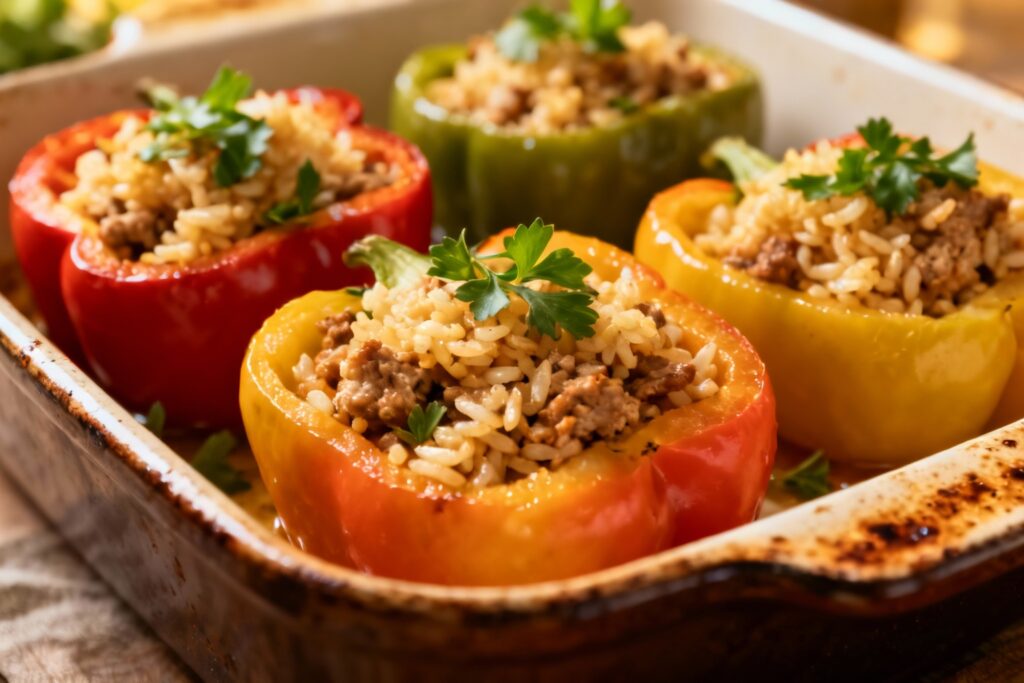
Dinner: Stuffed Bell Peppers
- Bell peppers filled with ground turkey, brown rice, tomatoes
- Side of steamed broccoli
Day 13
Breakfast: Power Protein Bowl
- Greek yogurt base
- Granola
- Sliced almonds, pumpkin seeds
- Mixed berries
- Drizzle of almond butter
Mid-Morning Snack: Green smoothie with kale and pineapple
Lunch: Salmon Spinach Salad
- 4 oz grilled salmon
- Baby spinach
- Strawberries, walnuts, goat cheese
- Balsamic vinaigrette
Afternoon Snack: Rice cakes with avocado
Dinner: Chicken and Vegetable Kebabs
- Grilled chicken skewers with bell peppers, onions, zucchini
- Quinoa tabbouleh
- Tzatziki sauce
Day 14
Breakfast: Veggie Scramble
- Scrambled eggs with peppers, onions, spinach
- Whole grain toast
- Avocado slices
Mid-Morning Snack: Apple with cashew butter
Lunch: Black Bean Buddha Bowl
- Black beans
- Quinoa
- Roasted sweet potato
- Corn, tomatoes, avocado
- Lime-cilantro dressing
Afternoon Snack: Dark chocolate (1 oz) with green tea
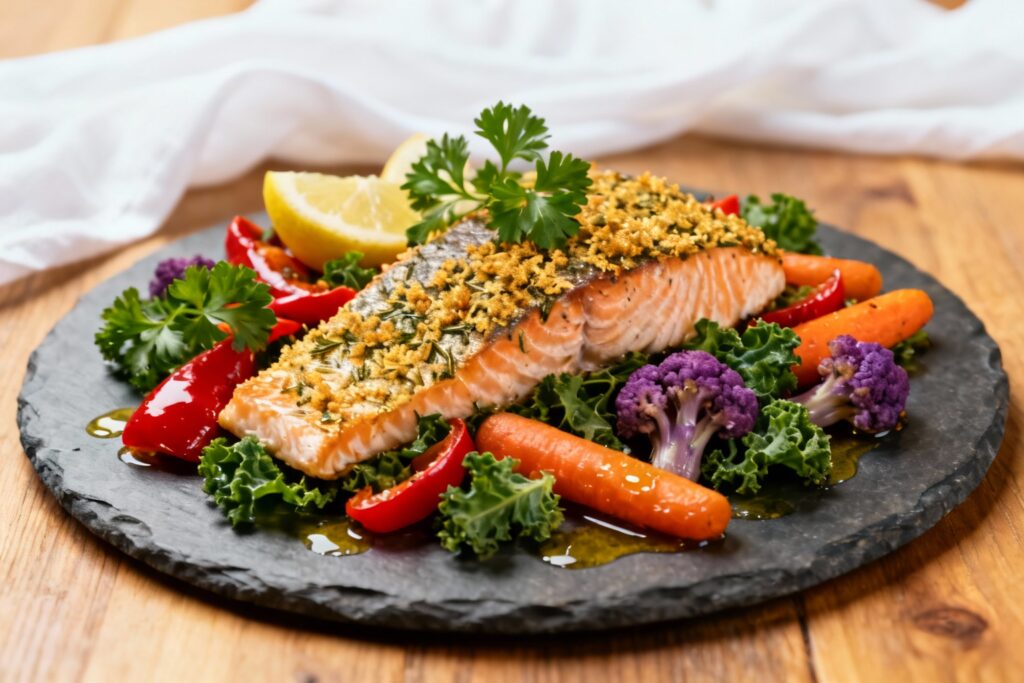
Dinner: Celebration Salmon Dinner
- 4 oz herb-crusted salmon
- Roasted root vegetables (carrots, parsnips, beets)
- Garlic sautéed kale
- Wild rice pilaf
Beyond the Meal Plan: Lifestyle Strategies for Cortisol Balance

Essential Daily Practices
Prioritize Quality Sleep: Aim for 7-9 hours nightly. Establish a consistent sleep schedule, create a dark, cool sleeping environment, and avoid screens for at least one hour before bed.
Stay Hydrated: Drink at least 8-10 glasses of water daily. Dehydration increases cortisol production and impairs the body’s ability to manage stress.
Practice Mindful Eating: Eat slowly, chew thoroughly, and avoid distractions during meals. This supports digestion and helps prevent cortisol spikes related to poor nutrient absorption.
Exercise Moderately: While intense exercise can temporarily raise cortisol, moderate activities like walking, yoga, swimming, and tai chi support healthy cortisol rhythms. Aim for 30 minutes most days.
Manage Stress Actively: Incorporate daily stress-reduction techniques such as meditation, deep breathing exercises, journaling, or time in nature.
Limit Screen Time: Blue light exposure, especially in the evening, disrupts circadian rhythms and cortisol patterns. Use blue light filters or avoid screens after sunset.
Meal Timing and Preparation Tips
Don’t Skip Breakfast: Eating within 1-2 hours of waking helps establish healthy cortisol patterns throughout the day.
Eat Regular Meals: Space meals 3-4 hours apart to maintain stable blood sugar and prevent cortisol spikes.
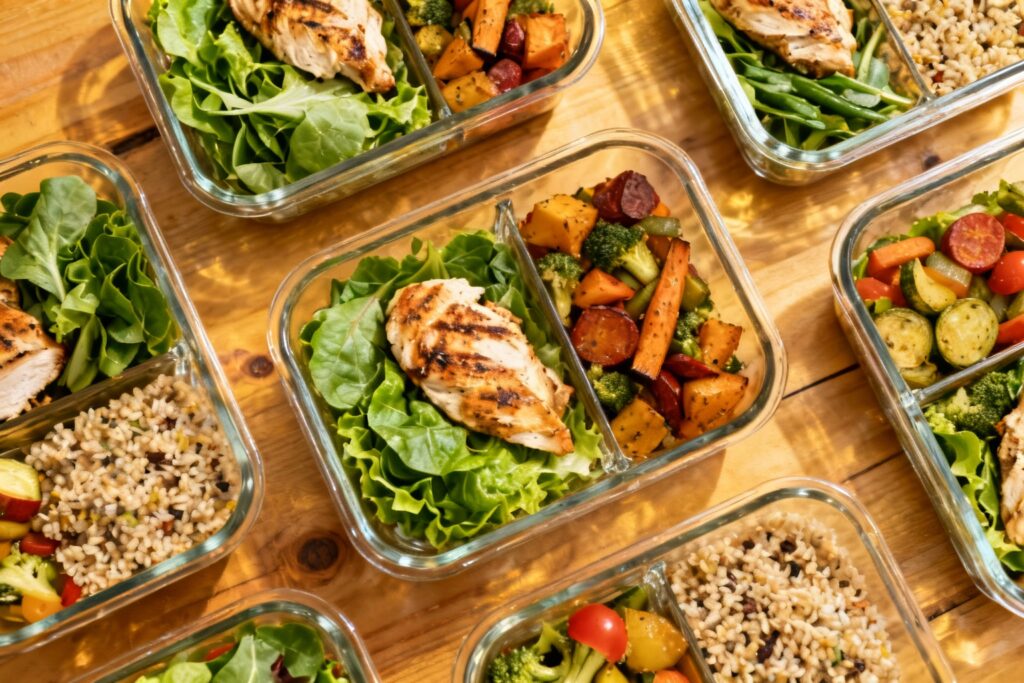
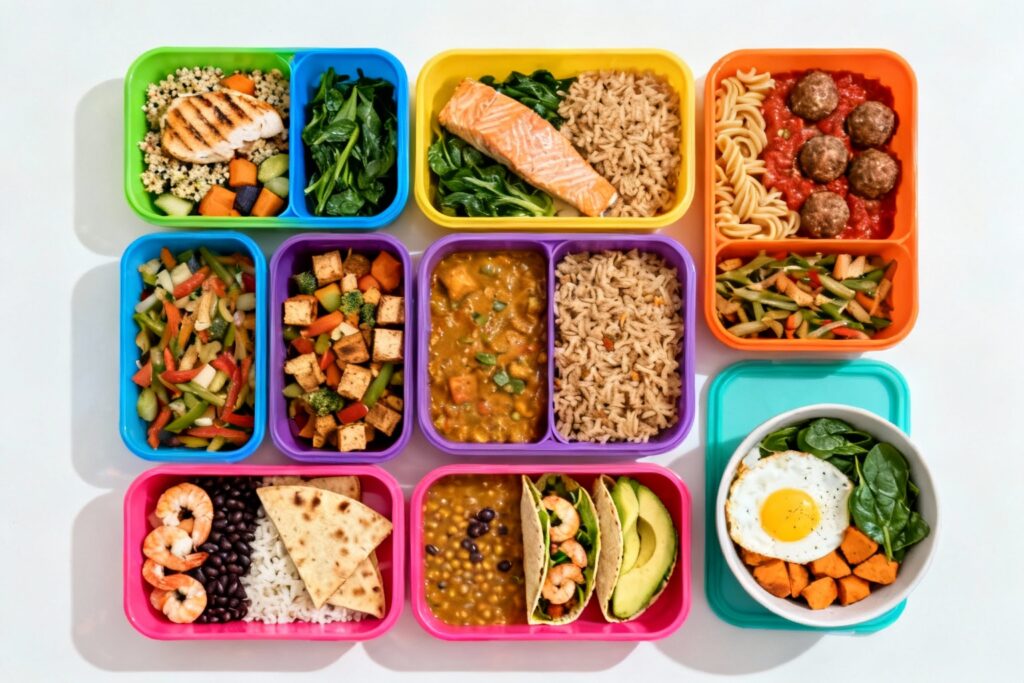
Batch Cook: Prepare meals in advance to reduce daily stress and ensure you have healthy options readily available.
Time Your Carbs: Consider consuming more complex carbohydrates in the evening, as they can help lower cortisol and support sleep quality.
Supplements to Consider
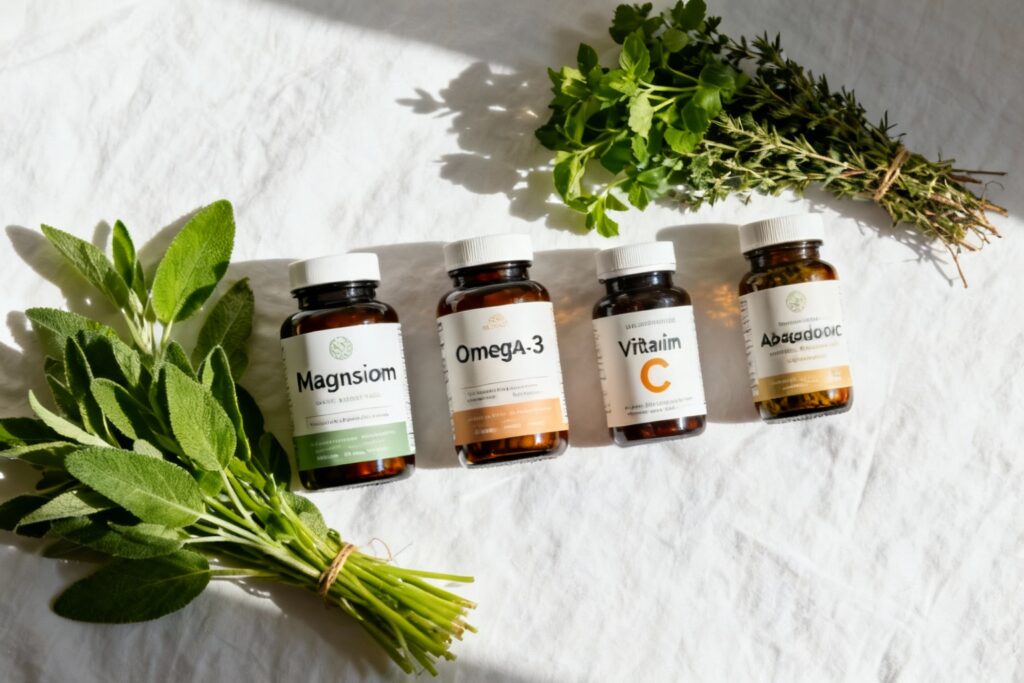
While food should be your primary source of nutrients, certain supplements may support cortisol regulation:
Magnesium Glycinate: 300-400mg before bed supports relaxation and healthy cortisol rhythms.
Omega-3 Fish Oil: 1,000-2,000mg EPA/DHA daily if you don’t consume fatty fish regularly.
Vitamin C: 500-1,000mg daily to support adrenal function.
Adaptogenic Herbs: Ashwagandha, rhodiola, and holy basil have been shown to help regulate cortisol response.
Probiotics: Support gut health and the gut-brain axis, which influences stress hormone regulation.
Always consult with a healthcare provider before starting any supplement regimen, especially if you have existing health conditions or take medications.
Measuring Your Progress
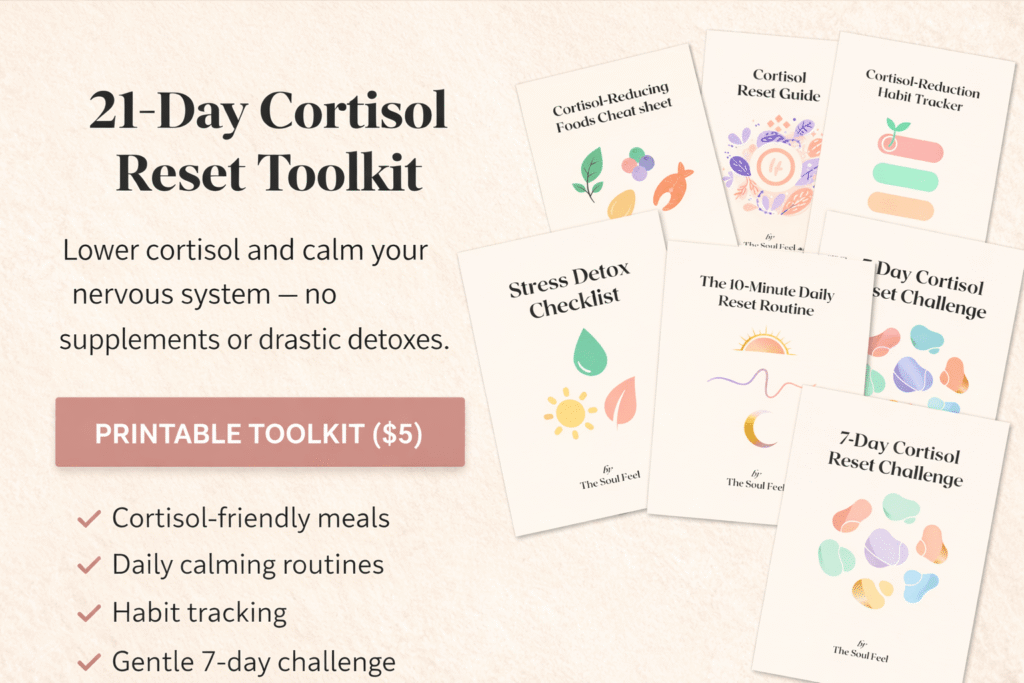
If you want a structured rhythm — something simple you can follow without decision fatigue — I made something for you.
The 21-Day Cortisol Reset Toolkit gives you a cozy, printable, beginner-friendly system to help you feel calmer, sleep deeper, and rebuild your stress response gently.
Everything inside takes only a few minutes per day.
It includes a full cortisol guide, 7-day meal plan, daily routines, a stress detox list, habit tracker, grocery list, and a 7-day reset challenge.
It’s practical, soft, and grounded in real science.
If your body has been whispering “I’m tired”… this might be your reset.
21-Day Cortisol Reset Toolkit for Stress Relief & Hormone Balance
Track these markers throughout your 2-week plan:
- Energy Levels: Note your energy patterns throughout the day
- Sleep Quality: Record how quickly you fall asleep and how rested you feel
- Mood: Monitor anxiety, irritability, and overall emotional state
- Digestion: Pay attention to bloating, regularity, and comfort
- Weight and Measurements: Check waist circumference, as cortisol affects abdominal fat storage
- Cravings: Notice changes in sugar and caffeine cravings
- Stress Response: Observe how you handle challenging situations
Final Thoughts: Creating Sustainable Change
This 2-week cortisol detox meal plan provides a structured approach to resetting your stress hormones through targeted nutrition. However, the real transformation comes from adopting these principles as a long-term lifestyle rather than a temporary fix.

Remember that managing cortisol is about more than just food—it’s about creating a holistic approach to stress management that includes nutrition, movement, sleep, and mindfulness. Be patient with yourself as you implement these changes, and focus on progress rather than perfection.
As you complete this 2-week plan, listen to your body and notice which foods and practices make you feel best. Use this experience as a foundation to build sustainable eating habits that support not just lower cortisol levels, but overall vibrant health and wellbeing for years to come.
The journey to hormonal balance is personal and ongoing. By nourishing your body with whole, nutrient-dense foods and supporting your overall wellbeing through healthy lifestyle practices, you’re taking powerful steps toward managing stress, optimizing your health, and reclaiming your vitality.